
Best Apartments in Minneapolis for Young Professionals in 2026
Minneapolis continues to evolve into one of the most attractive cities in the United States for young professionals seeking opportunity, lifestyle balance, and high quality urban living. By 2026, the city’s apartment landscape will have become more dynamic than ever, shaped by growing demand for walkable neighborhoods, modern amenities, and flexible work friendly spaces.
Choosing the right home in this environment is no longer just about price or square footage. It is about lifestyle alignment, commute convenience, neighborhood energy, and access to culture and daily essentials. Many newcomers and long time residents alike are actively researching the Best apartments in Minneapolis to understand how different areas compare and what type of living experience each offers.
At the same time, one of the most common questions among renters is Where to live in Minneapolis for the best combination of career access, entertainment, and comfort. This guide explores those questions in depth to help young professionals make informed housing decisions in 2026.
The Minneapolis Rental Landscape in 2026
The Minneapolis rental market has become increasingly competitive due to steady population growth, strong job opportunities in tech, healthcare, finance, and creative industries, and a continued shift toward urban living. More professionals now prefer apartments that offer convenience and lifestyle integration rather than large suburban homes.
New developments and renovated buildings are focused on mixed use living, combining residential units with retail, fitness studios, and shared workspaces. This reflects a broader trend toward compact living ecosystems where residents can meet most of their daily needs within a short distance.
Read More: Added Value for Tenants: Simple Improvements That Can Justify Higher Rent
As demand grows, rental pricing has also become more segmented. Premium apartments with advanced amenities and prime locations command higher rents, while emerging neighborhoods offer more affordable options with strong long term potential.
What Young Professionals Prioritize in Housing
Young professionals in 2026 tend to prioritize a specific set of housing features that align with modern work and lifestyle habits.
Flexibility is one of the most important factors. With remote and hybrid work becoming standard, many renters look for apartments with dedicated workspace areas or access to coworking lounges.
Location is another critical factor. Proximity to downtown business districts, entertainment zones, and public transit significantly influences housing decisions.
Lifestyle amenities also play a major role. Fitness centers, rooftop lounges, package management systems, and social spaces are now considered essential rather than optional.
Finally, community environment matters. Many renters prefer buildings and neighborhoods that feel active, social, and connected rather than isolated residential blocks.
Understanding Neighborhood Options in Minneapolis
Minneapolis offers a wide range of neighborhoods, each with its own character and appeal for young professionals.
The North Loop is known for its industrial style conversions, trendy restaurants, and high end apartments. It is often considered one of the most desirable areas for modern urban living.
Downtown East offers proximity to major employers, sports venues, and entertainment centers, making it ideal for those who want to live in the heart of the city.
Uptown provides a more artistic and relaxed atmosphere, with access to lakes, parks, and casual dining spaces.
Read More: Vela One Homes: A Calm Escape in a Busy City
Stadium Village and nearby areas attract students and early career professionals due to affordability and transit access.
Each of these areas contributes to the overall housing ecosystem, giving residents multiple choices depending on lifestyle and budget preferences.
Where to Live in Minneapolis for Different Lifestyles
When evaluating where to live in Minneapolis, it is important to match neighborhood characteristics with personal priorities.
For professionals who value convenience and high energy city life, the downtown and North Loop areas are often ideal. These locations provide immediate access to offices, nightlife, and dining.
For those who prefer a more balanced environment with outdoor access, areas closer to lakes and green spaces offer a calmer daily experience while still maintaining city connectivity.
For budget conscious renters, emerging neighborhoods slightly outside the core downtown area provide more affordable housing while still offering reasonable commute times.
The decision ultimately depends on whether the priority is career proximity, social lifestyle, affordability, or a combination of all three.
Best Apartments in Minneapolis for Modern Living Standards
The Best apartments in Minneapolis are typically defined by a combination of design quality, amenities, and location efficiency.
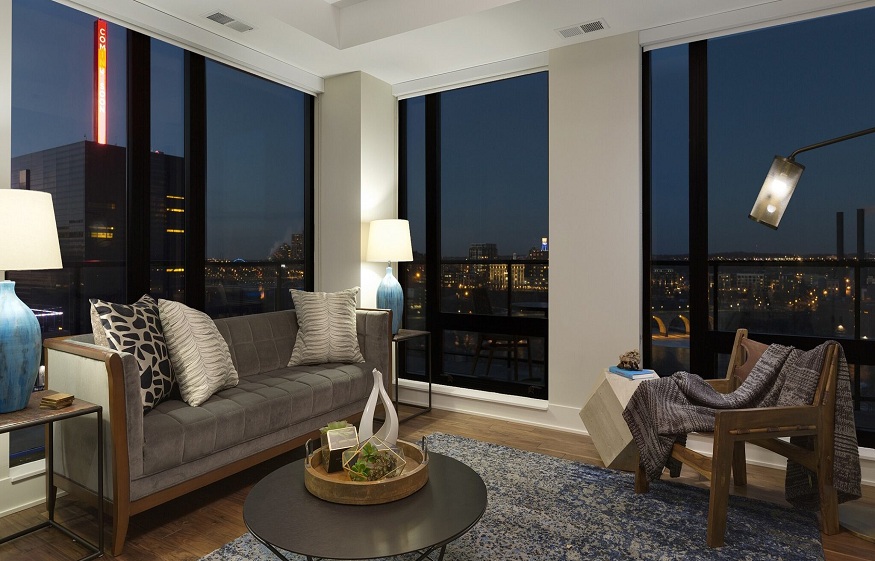
Modern apartment communities focus heavily on open floor plans, large windows, and natural lighting. These design choices create a more spacious and comfortable living environment, especially for individuals working from home.
Shared amenities are also a key differentiator. Many buildings now offer coworking spaces, fitness studios, entertainment lounges, and outdoor terraces designed to enhance social interaction and productivity.
Security and convenience features such as controlled access, smart parcel systems, and integrated resident apps have become standard expectations rather than luxury additions.
What sets top tier apartments apart is how well they integrate lifestyle needs into a single residential experience rather than treating housing as just a place to sleep.
Amenities Shaping Apartment Living in 2026
Apartment amenities in Minneapolis have evolved significantly to meet modern expectations.
Fitness and wellness spaces are now central to most residential buildings. Residents expect fully equipped gyms, yoga areas, and wellness focused environments.
Remote work support has also become essential. Many apartments include dedicated coworking lounges, private meeting rooms, and high speed connectivity infrastructure.
Social amenities such as rooftop lounges, grilling stations, and community kitchens encourage interaction among residents and help build a sense of community.
Sustainability is another major trend. Energy efficient appliances, eco friendly building materials, and water conservation systems are increasingly common in new developments.
Transportation and Daily Convenience
Transportation access plays a key role in determining apartment desirability. Minneapolis offers a strong network of public transit options, including bus routes and light rail connections that link major residential and commercial areas.
Many young professionals also rely on biking due to well developed cycling infrastructure. Bike friendly streets and dedicated lanes make commuting more practical and environmentally friendly.
Walkability is another important factor. Neighborhoods that allow residents to reach grocery stores, restaurants, gyms, and workplaces without long commutes are particularly attractive.
This focus on convenience significantly influences rental demand across the city.
Budget Considerations for Young Professionals
Budget plays a central role in apartment selection. In Minneapolis, rental costs vary widely depending on neighborhood and building type.
Premium apartments in central areas typically come at higher price points due to location and amenities. However, these costs are often justified by reduced commute times and access to lifestyle benefits.
Mid range apartments in surrounding neighborhoods offer a balance between affordability and convenience. These options are popular among early career professionals who want access to the city without paying premium downtown prices.
Understanding tradeoffs between cost, location, and amenities is essential for making a sustainable long term housing decision.
Lifestyle Fit and Long Term Living Choices
Apartment selection is not only a financial decision but also a lifestyle choice. Young professionals often consider how their living environment aligns with personal growth, social life, and career development.
Some prefer fast paced environments with constant activity and networking opportunities. Others value quieter spaces that support focus and relaxation after work.
Minneapolis offers both types of environments within close proximity, allowing residents to transition between different lifestyles without leaving the city.
Minneapolis in 2026 stands out as a city that offers diverse and high quality living options for young professionals. From vibrant downtown districts to more relaxed residential neighborhoods, the city provides a wide range of housing experiences.
Understanding where to live in Minneapolis depends on individual priorities such as career access, affordability, and lifestyle preferences. Meanwhile, exploring the Best apartments in Minneapolis helps renters identify spaces that align with modern expectations of comfort, convenience, and community.
As the city continues to grow and evolve, its apartment landscape will remain a key factor in shaping how young professionals experience urban living.