
How to Choose the Right Water Softener Without Overpaying
Choosing a water softener can be intimidating. There are so many models, capabilities, and features available. It would be easy to think that a larger or more expensive system will automatically get you better results. The right answer, in fact, depends on the quality of your water and how much water your family uses each day.
Since a water softener system is a long-term purchase, it’s worth taking the time to understand what you really need. Price is not everything. When choosing a water softener, you should also take into account water hardness, capacity, maintenance, and service support.
Start by Understanding Your Water Hardness
Before selecting a water softener, it is useful to know how hard your water really is. Water hardness varies from place to place, and the amount of calcium and magnesium in the supply determines the system’s required capacity. By testing your water, you will get a good idea of what you need to treat and help you to avoid buying a system that is too small or larger than you need.
Signs of Hard Water at Home
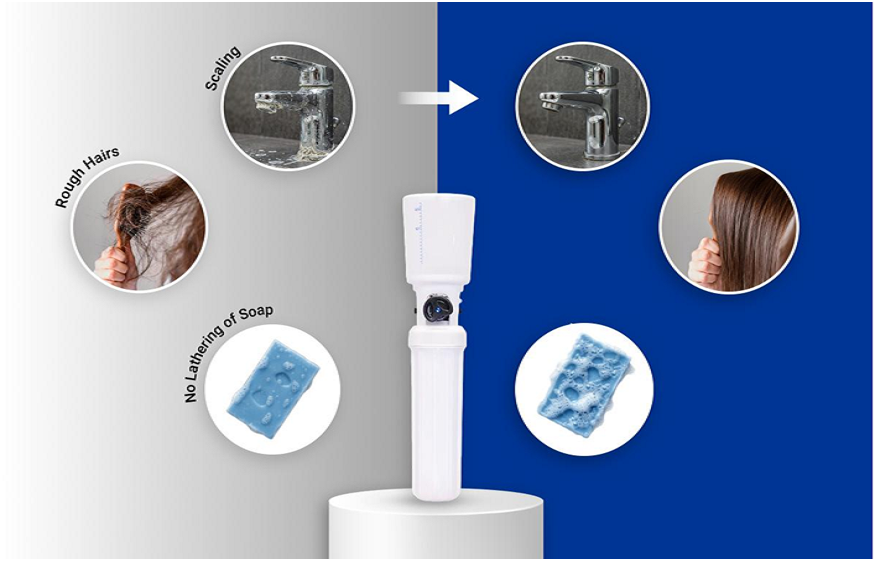
Hard water can be seen in the home in the form of visible signs. Common signs include white deposits around taps and showerheads, soap that doesn’t lather easily, dull-looking clothes, and dry skin and hair. If these issues are common in your home, a water softener can help improve the quality of everyday water and reduce mineral buildup.
Factors to Consider Before Choosing a Water Softener
Here are some factors that should be considered before choosing the right water softener:
Read More: First-Time Buyer’s Guide to Water Purifier Prices – What to Check Before You Spend
-
Water Usage and Family Size
Water consumption varies from family to family. For example, a large family consumes more water than a smaller family, and you may need a system with greater capacity in order to have a steady supply of softened water. Smaller homes may do well with compact units that are intended for lower daily use.
-
Installation and Space Requirements
The initial purchase price is only one part of the total investment. Some systems require more plumbing work or more installation space than others. Checking these requirements in advance can help avoid unexpected costs later.
-
Salt, Electricity and Maintenance Costs
The costs don’t stop at installation. Long-term cost of ownership includes salt usage, electricity usage, and regular maintenance.
-
Build Quality and Durability
Corrosion-resistant tanks and durable parts can help improve reliability and reduce the chance of repairs.
Read More: Landscaping in Fargo and Snow Removal in West Fargo: Planning for Year-Round Property Care
-
Regeneration Features
Some water softeners are of the automatic regeneration type that will keep track of your water usage habits and change their operation accordingly. On the other hand, some water softeners require manual regeneration, providing the user with hands-on control.
Conclusion
Choosing a water softener for the home doesn’t require a large budget, but it does require clear thought. Test your water hardness. Calculate your daily consumption. Also, consider factors such as salt requirement, servicing, and installation before comparing prices. The right softener isn’t the most expensive one, nor is it the cheapest. It is the one that can handle your water, fits your usage, and keeps running without interruptions.