
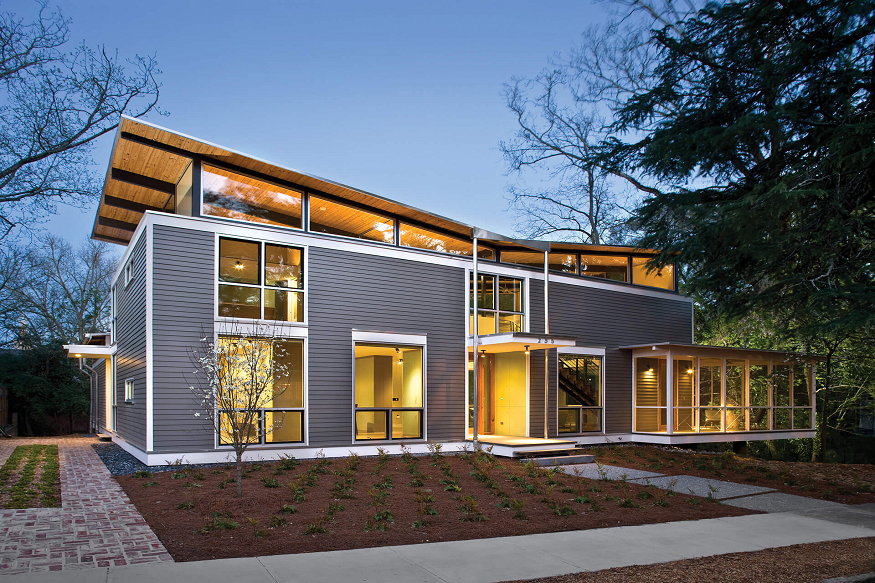
Shielding Your Sanctuary: How Exterior Cladding Defends Your Home Against the Elements
A home is often the most significant investment a person will ever make, serving as a sanctuary against the outside world. While we spend most of our time focusing on interior comforts like furniture and decor, the most critical component of a building is the layer that stands between the living space and the environment. Residential Exterior Cladding Products – Nichiha serves as the first line of defense, a protective skin designed to withstand the relentless forces of nature. From torrential rain and freezing snow to blistering heat and high winds, cladding is the unsung hero that ensures the structural integrity and longevity of a house. Understanding how this material functions can help homeowners make informed decisions about maintenance and upgrades.
The Primary Barrier Against Moisture and Water Ingress
Perhaps the most vital role of exterior cladding is its ability to manage water. Moisture is the greatest enemy of any building structure, as it can lead to wood rot, mold growth, and the degradation of insulation. Quality cladding is designed to shed water away from the walls, preventing it from seeping into the wooden frame or the masonry underneath. Most modern cladding systems also incorporate a drainage plane or a small gap between the cladding and the house wrap, which allows any moisture that, does manage to get behind the surface to drain away safely or evaporate.
When cladding is properly installed, it creates a waterproof envelope that protects the home during heavy rainstorms. Without this protection, water would saturate the porous materials of the wall assembly, leading to costly structural repairs. Materials such as fiber cement, vinyl, and metal are particularly effective at resisting water absorption, ensuring that the home remains dry even in the most humid or rainy climates. This moisture management is essential not only for the health of the building but also for the health of the occupants, as it prevents the damp conditions that allow harmful mold and mildew to flourish.
Defending Against the Stress of Temperature Fluctuations
The environment is constantly changing, and your home must be able to expand and contract without falling apart. During the day, the sun beats down on the exterior, causing materials to heat up and expand. At night, the temperature drops, leading to contraction. Over time, this constant movement can cause cracks in unprotected walls. Exterior cladding acts as a thermal buffer, absorbing much of this stress and protecting the sensitive inner layers of the home from extreme temperature swings.
Furthermore, cladding plays a significant role in the energy efficiency of a building. Many contemporary cladding options are paired with external insulation, which helps to maintain a consistent indoor temperature. This reduces the workload on heating and cooling systems, leading to lower energy bills and a smaller carbon footprint. By reflecting solar radiation in the summer and providing an extra layer of warmth in the winter, the right cladding ensures that the exterior of the house remains a stable barrier against the external climate, regardless of the season.
Preventing Pest Infestation and External Biological Decay
The exterior of a home is also vulnerable to biological threats, including insects, rodents, and birds. Termites, carpenter ants, and woodpeckers can cause devastating damage to the wooden components of a building if they can gain access. Exterior cladding serves as a physical barrier that makes it much more difficult for these pests to reach the structural timber. Non-organic materials like metal, stone, and fiber cement are especially useful in this regard, as they offer no nutritional value to insects and are too tough for birds or rodents to penetrate.
Beyond animals, cladding also protects against the growth of moss, algae, and fungi. These organisms thrive in damp, shaded areas and can eventually eat away at organic building materials. Most modern cladding is designed with smooth surfaces or treated with antimicrobial finishes that make it difficult for these biological agents to take hold. By keeping the exterior clean and dry, the cladding prevents the slow decay that often goes unnoticed until it becomes a major problem, thereby extending the overall lifespan of the property.
Conclusion
Ultimately, the goal of exterior cladding is to ensure the longevity of the home. A well-protected house requires fewer repairs and maintains its aesthetic appeal for much longer than one with neglected or poor-quality siding. From a financial perspective, investing in high-quality cladding is a wise decision because it preserves the resale value of the property. Prospective buyers are often deterred by signs of weather damage, such as peeling paint, warped wood, or water stains, all of which are prevented by effective cladding.