
Which Water Purifier Works Best in Areas With High TDS Levels?
In many parts of India, especially where groundwater is the primary source, high TDS levels in water are a common concern. This not only affects the taste but can also impact long-term health and household appliances. Choosing the right water purifier in such conditions can help ensure safe and reliable drinking water for your family.
Understanding which purification technology actually works in high TDS conditions can help you make an informed decision.
What Does High TDS Mean and Why Does it Matter?
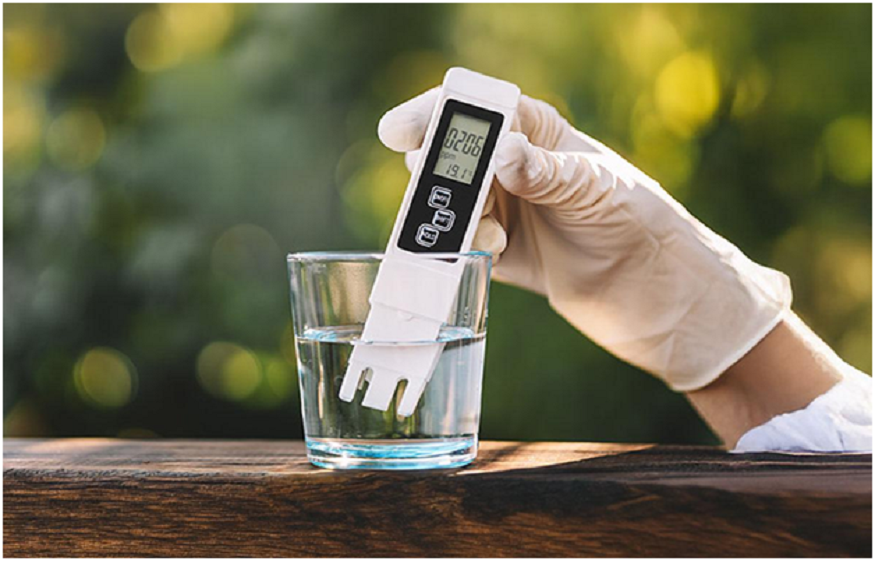
Total Dissolved Solids (TDS) is a measure of the concentration of dissolved salts, minerals, and metals in water. While a certain level of TDS is acceptable, excessively high levels can make water unsuitable for drinking. It may taste bitter or salty and could contain harmful substances like lead, arsenic, or nitrates, depending on the water source.
Read More : Which Water Purifier Works Best in Areas With High TDS Levels?
Understanding Different Purification Technologies
Different water purification technologies are designed to tackle different kinds of impurities. For example, UV and UF systems work well when the concern is bacteria, viruses, or visible particles in the water. This makes them a suitable choice in areas where TDS levels are low to moderate. However, when TDS levels are high, the purification needs to go a step further. This is why many modern systems combine technologies like RO with UV or UF to ensure both chemical and biological safety.
- RO for high TDS level: Reverse Osmosis (RO) purification is specifically designed to reduce dissolved solids in water. It uses a semi-permeable membrane to filter out salts, heavy metals, and other impurities at a molecular level. This makes RO-based systems suitable for households dealing with high TDS water, as they improve both safety and taste.
- Multi-stage Purifier: In some cases, water may contain both high TDS and microbial contaminants. In such situations, a multi-stage purifier that combines RO with UV or UF technologies offers more comprehensive treatment. This ensures that both chemical and biological impurities are effectively addressed.
Maintaining Essential Minerals After Purification
While reducing TDS is important, completely stripping water of minerals is not always ideal. Many modern purifiers include features that help retain or restore essential minerals. This ensures that the purified water remains balanced and suitable for daily consumption without compromising on safety.
Key Considerations Before Selecting a Water Purifier
Choosing the right system depends on several practical factors. These include the TDS level of the water source, daily water consumption, storage capacity, and maintenance requirements. Evaluating these aspects helps in selecting a purifier that performs reliably over time.
Maintenance Requirements in High TDS Conditions
Water with high TDS can put additional pressure on purification systems, especially RO membranes. Regular servicing and timely replacement of filters are necessary to maintain performance. Proper maintenance ensures consistent water quality and extends the lifespan of the purifier.
Read More : Different Ways to Filter Water at Home: Which One Should You Choose?
Conclusion
In areas where TDS levels are high, choosing the right water purifier largely depends on selecting a system that can effectively reduce dissolved impurities without compromising overall water quality. RO-based purifiers are commonly preferred in such conditions, as they are specifically designed to lower high concentrations of dissolved solids, including salts and certain heavy metals, and provide purified water for daily use.